
What isFreediving?
Far beyond simply holding your breath, freediving is the art of inner understanding and merging with the vast ocean.
Freediving is one of humanity's oldest forms of diving, allowing you to explore the underwater world unencumbered by heavy scuba gear. Today, it has surged in popularity, evolving into a highly competitive sport, a rigorous fitness regimen, and for many, a profound way of life.
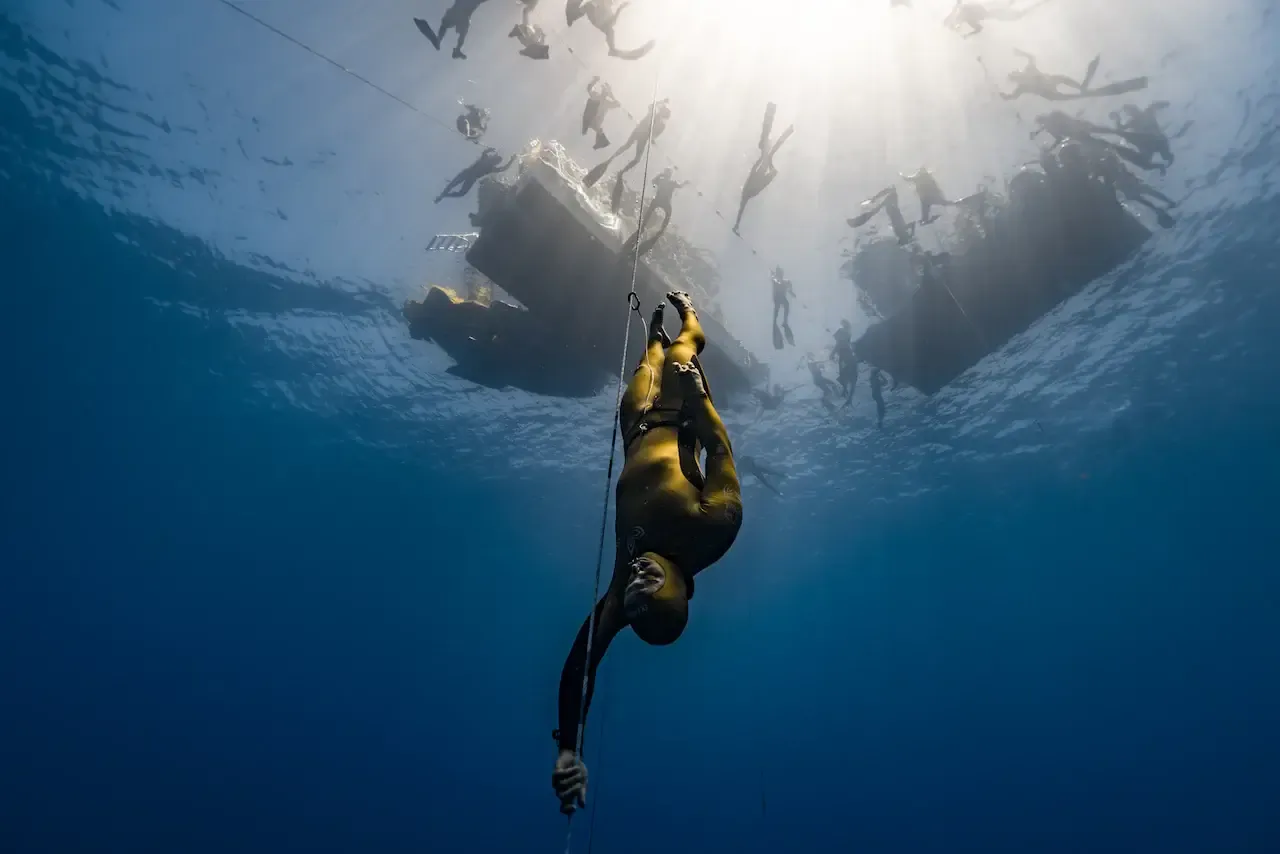
Recreational
For souls seeking tranquility. You dive to capture stunning photos, push personal boundaries, and use the water as a space for absolute meditation.
Applied
Diving with a purpose, such as spearfishing or scientific research. Like the 'Ama' divers of Japan or the Bajau tribes, it is the very breath of survival.
Competitive
For athletes dedicated to breaking records. They employ advanced techniques, rigorous nutrition, and disciplined training to discover the ultimate limits of the human body.
“Freediving is about feelings, whether it is the euphoria that comes from weightlessness or our amazement at the beauty of the underwater world. We freedive for the pleasure of solitude, where inner peace calms our racing mind. Freediving offers us happiness from nothing more than a single breath of air.”
The Disciplines ofFreediving
Holding breath face-down on the surface. The only discipline measured by time. Current records exceed 11 minutes.
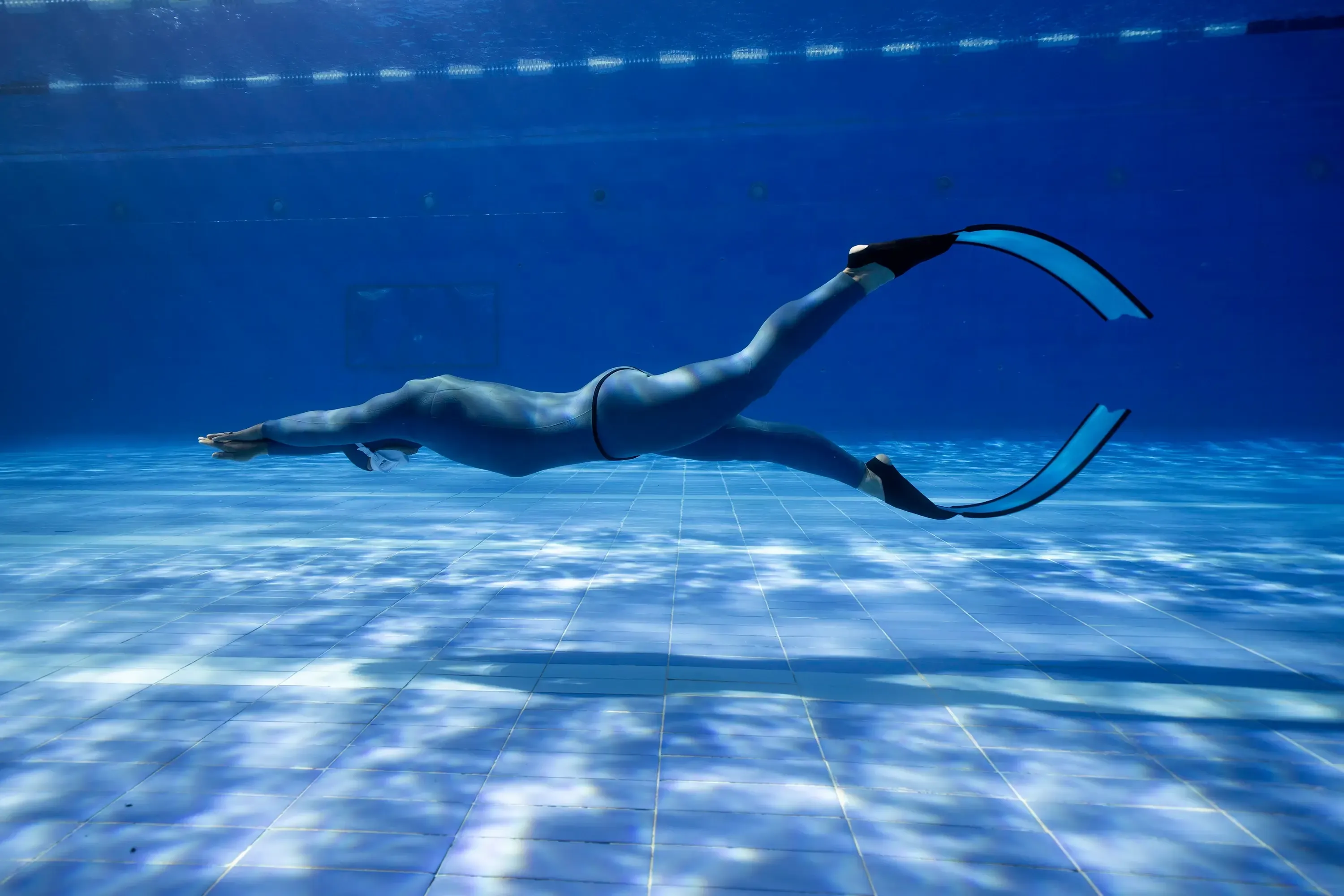
Swimming horizontally underwater in a pool for distance, using either bifins or a monofin.
Swimming horizontally in a pool without fins, relying solely on arm strokes and frog kicks.
Diving deep by pulling down and up along a vertical line without the use of fins.
The most popular depth discipline, using finning power with a constant weight throughout the dive.
Considered the purest and hardest: diving deep without fins or pulling on the rope.
Using a heavy weight to descend, then leaving it at depth and ascending under your own power.
The most extreme: descending with a sled and ascending with a lift bag. Records exceed 214m.
Why ChooseFreediving?
Intimate Exploration
No noisy bubbles or heavy gear. Swim alongside sea turtles naturally and explore your own inner stillness.
Mental Resilience
Learn to manage stress. The focus and relaxation techniques mastered underwater will profoundly enhance your daily life.
Physical Transformation
Regular, properly guided training improves respiratory muscle endurance and chest flexibility. It is a sport, not a medical treatment.
Total Body Fitness
Swimming against water resistance engages all muscle groups. Divers often combine Yoga and cardio to stay fit.
Water Confidence
Structured safety and rescue training makes you acutely aware of your environment, empowering you to assist others.
Lifestyle & Community
Quit smoking, eat healthier, and protect the oceans. Join the Molchanovs Movement to find buddies worldwide.
Who Can Freedive?
Freediving is accessible to anyone with basic health and swimming ability. Whether landlocked or coastal, you can start in a pool. However, videos cannot replace proper education. Freediving is safe when you understand the risks and practise correctly — Never dive alone, and always learn from a certified instructor. If you have a medical condition, consult your physician first.
Start Your First Course